


How much Kombucha is good for me?
Drinking amount, daily routine and ingredients at a glance.
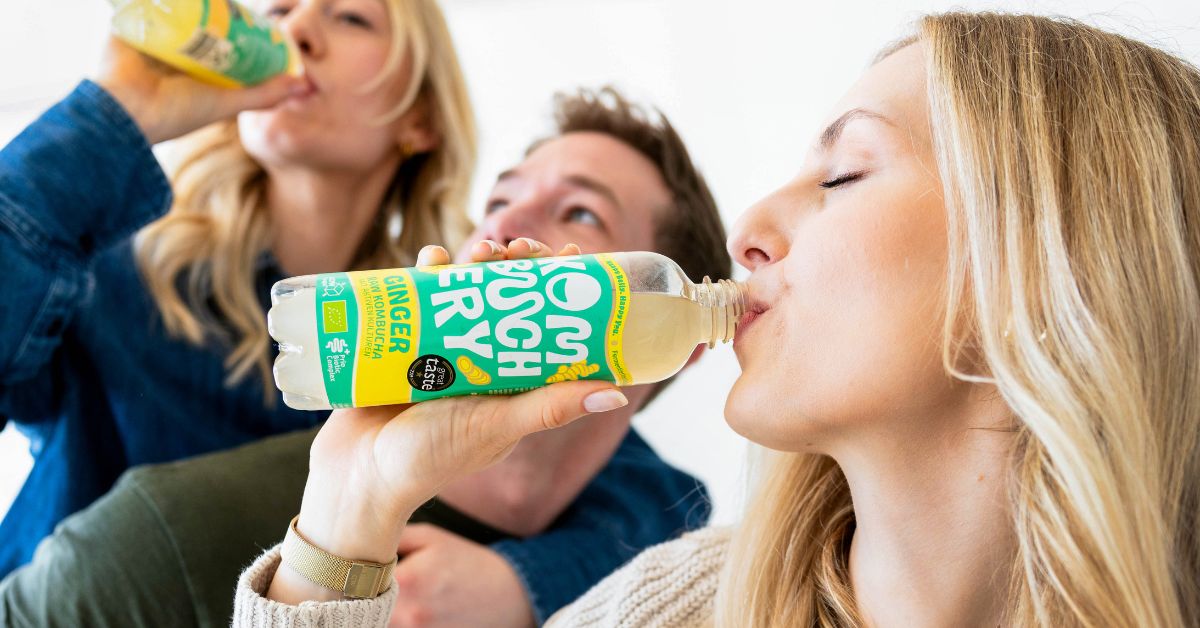
Kombucha is a fermented tea beverage and, if unpasteurized, can contain live microorganisms. But how much kombucha fits into your daily life, is there a recommended daily amount, and what's in Kombuchery? Here you'll find an overview of drinking routines, ingredients, and nutritional values.
How much kombucha should I drink daily?
Kombucha is not intended as a classic cure, but can be integrated into your daily life just like other soft drinks.
For example, some people regularly try kombucha for several weeks to find out which taste, variety, and drinking routine suit them best. A specific duration of use is not required.

How long should I drink kombucha?
Kombucha is not intended as a cure, but can be part of your daily beverage routine.
A 30-day kombucha challenge can be an easy way to regularly try the drink and get to know different varieties and drinking times. Kombucha is a food and not a limited-time cure. This means: If you like kombucha, you can easily integrate it regularly into your daily beverage routine.
You can individually try out which drinking routine suits you best.
🧠 Our tip: Integrate kombucha into your daily routine, for example in the morning, at lunch, or as a low-sugar alternative to classic soft drinks after work.
What happens after 30 days of kombucha?
30 days is a popular period to try out a new habit. For kombucha too, a month can help determine if the fermented tea beverage fits into your daily life permanently.
After 30 days, you will know above all:
✔️ which variety you like best
✔️ at what time of day you prefer to drink kombucha
✔️ whether you reach for a low-sugar refreshment more often with it
✔️ whether kombucha has become a firm daily routine for you
Each person develops their own unique drinking routine.
Create your individual 30-day routineWhat's in a bottle of Kombuchery?
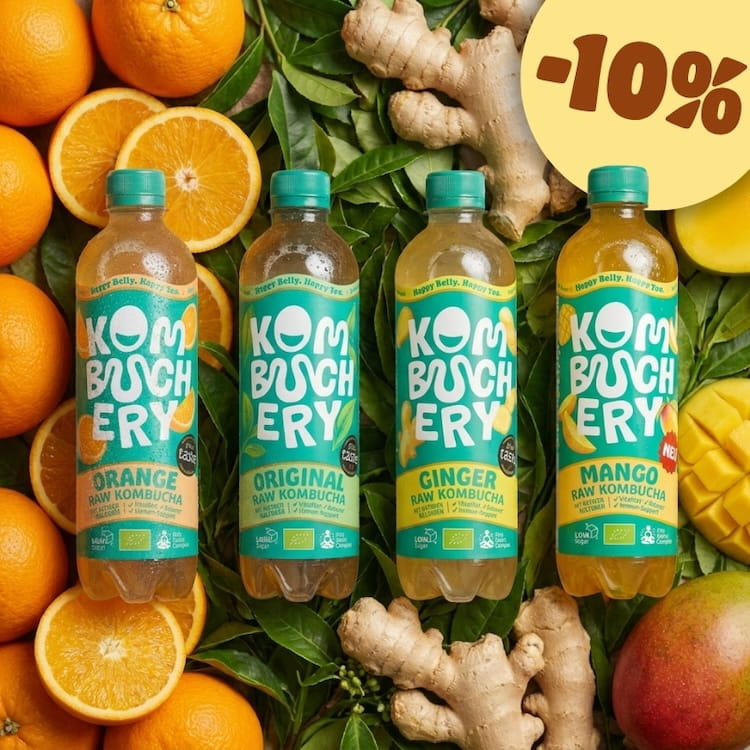
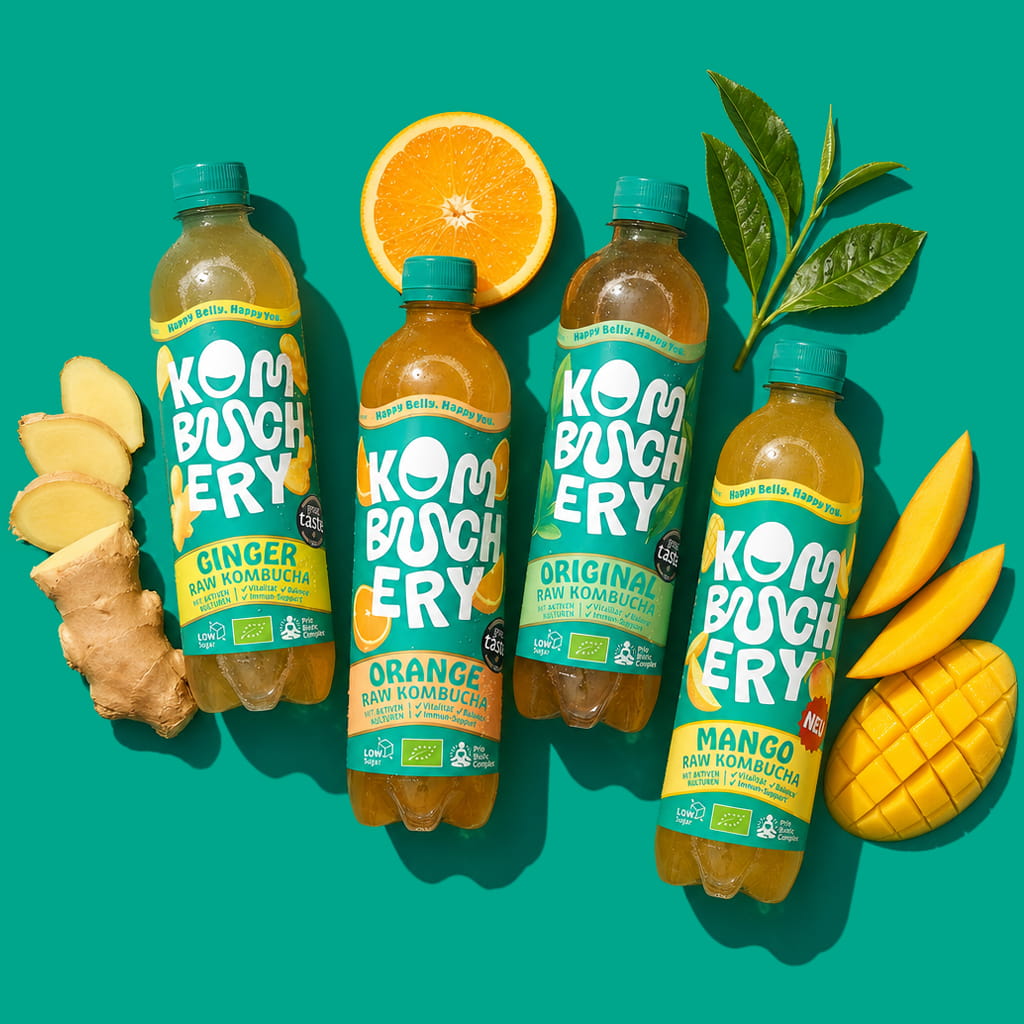
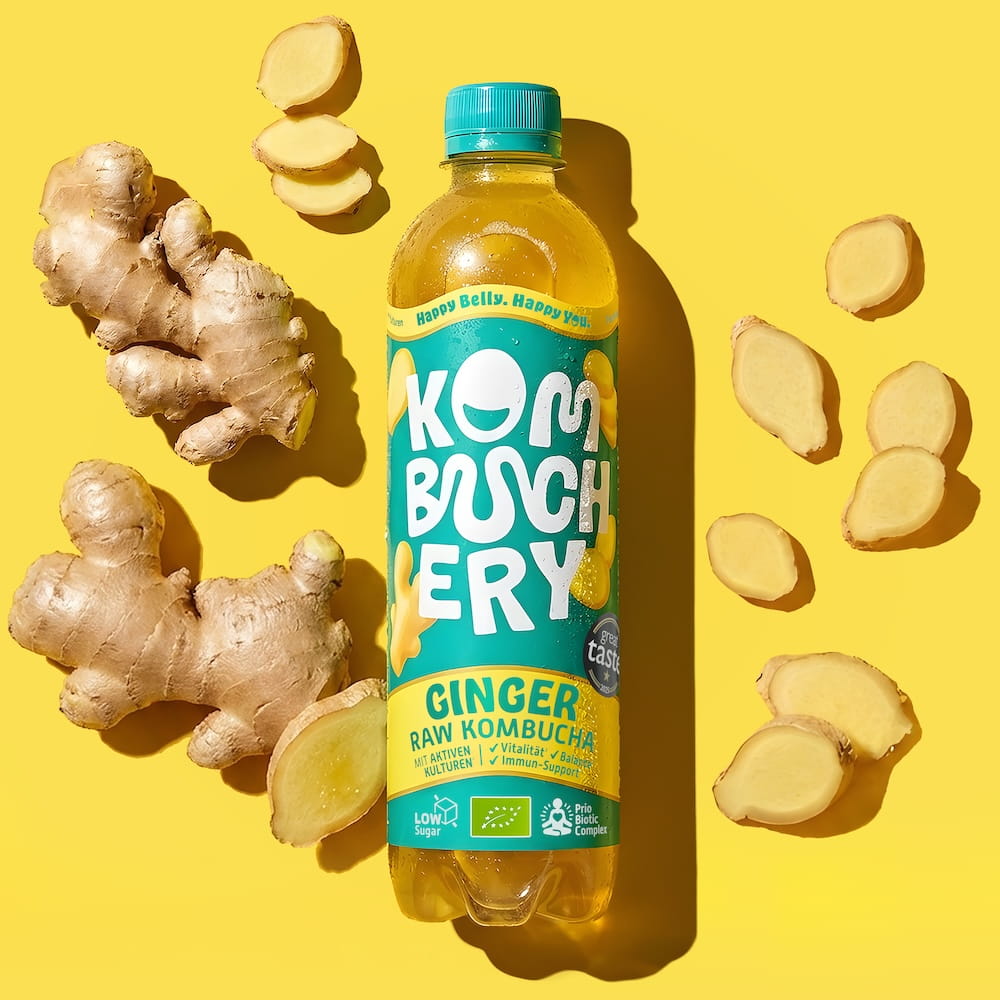
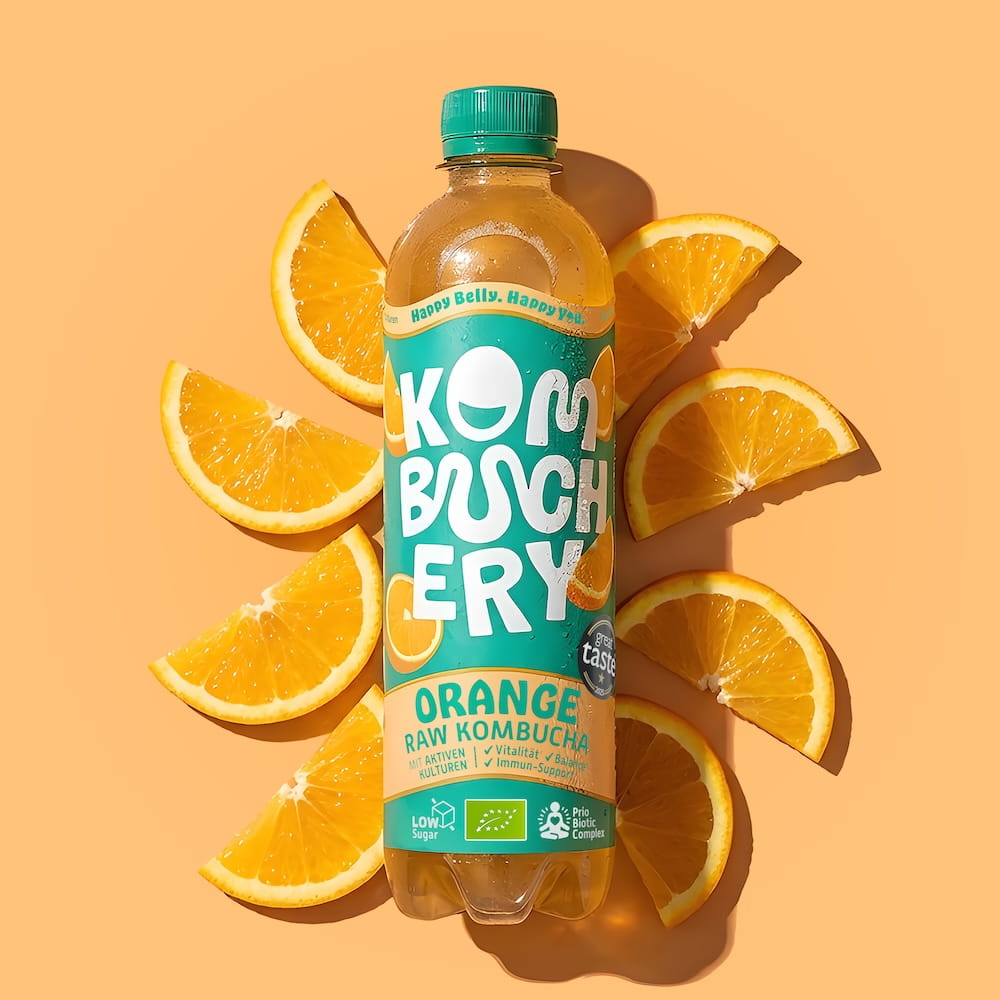
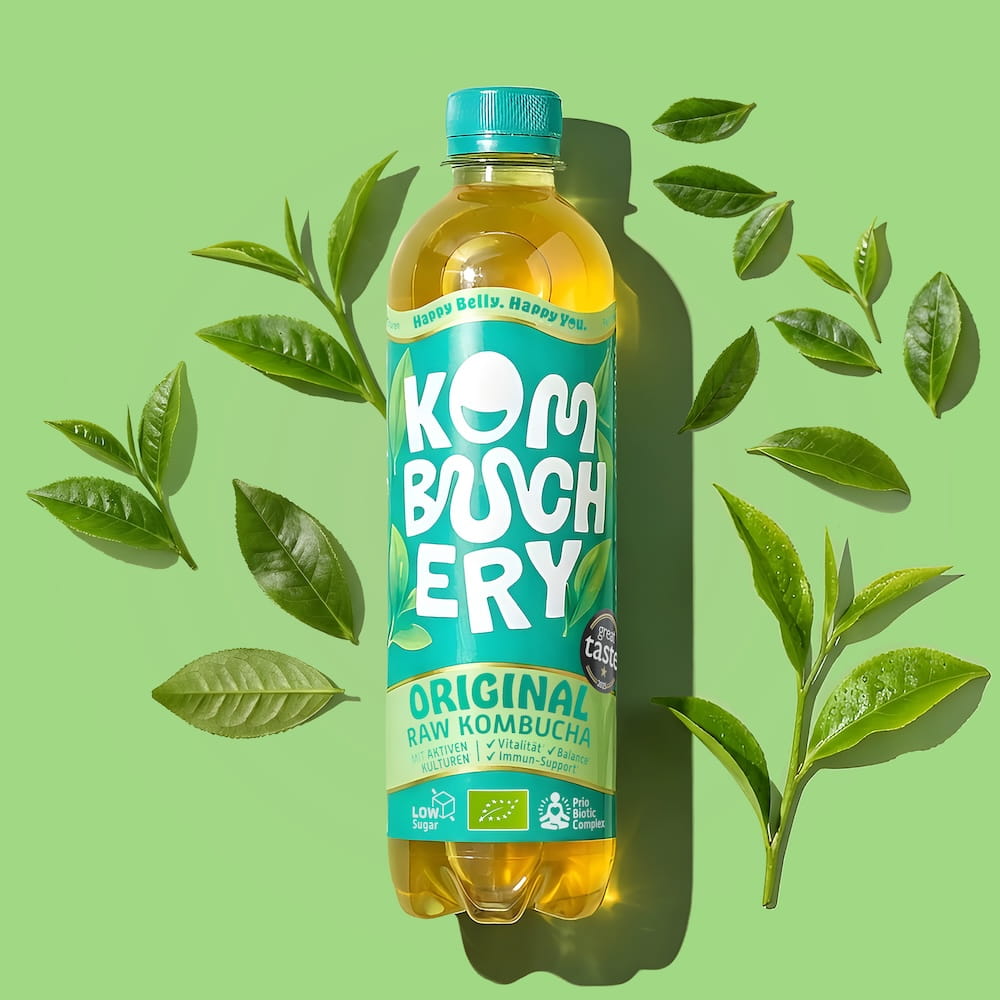
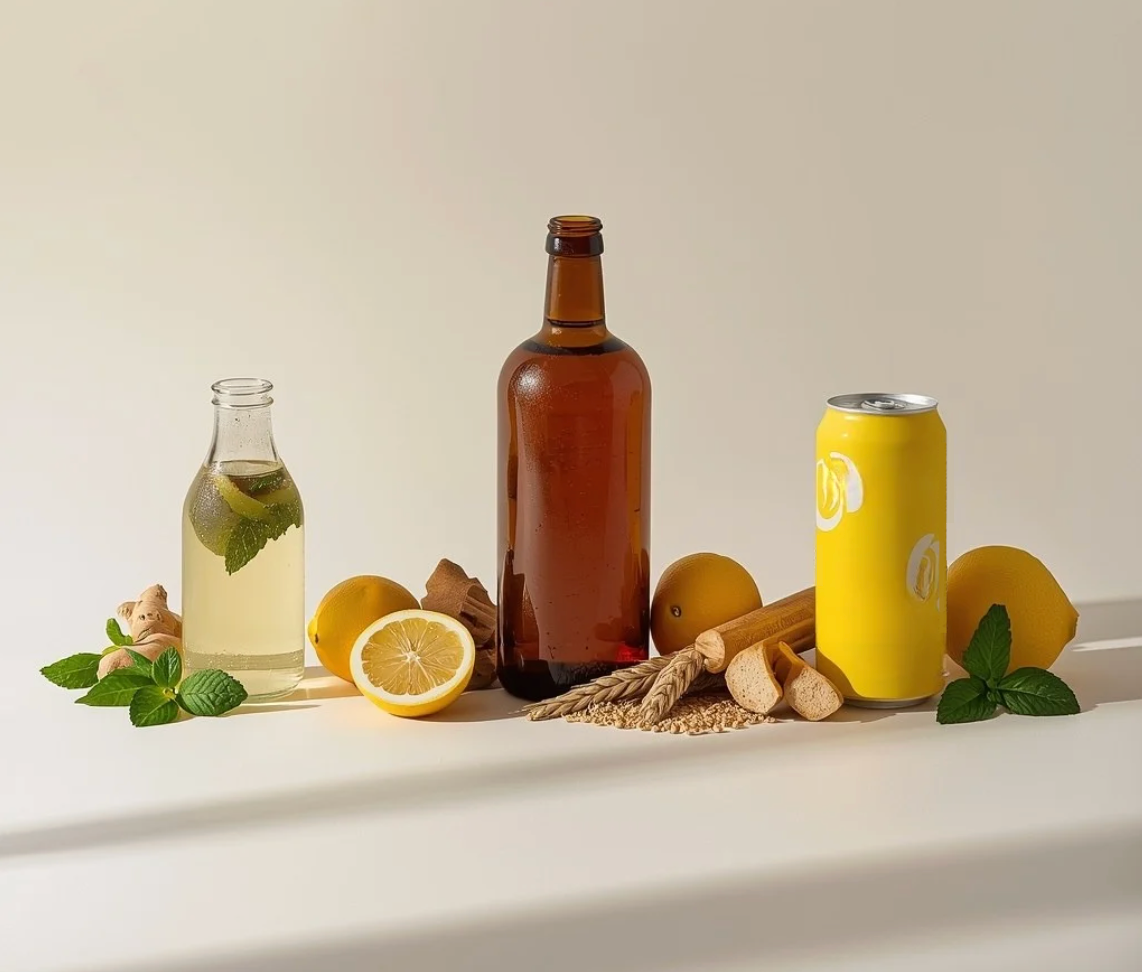
Our ingredient list is as clear and transparent as our claim: honest kombucha without frills, and you can taste it. Depending on the variety, you'll find in your bottle:
✔️ Organic green tea*
✔️ Organic cane sugar (largely broken down by fermentation)
✔️ Natural mineral water
✔️ Organic kombucha cultures (Organic yeast cultures, bacterial cultures, Lactobacillus Rhamnosus)
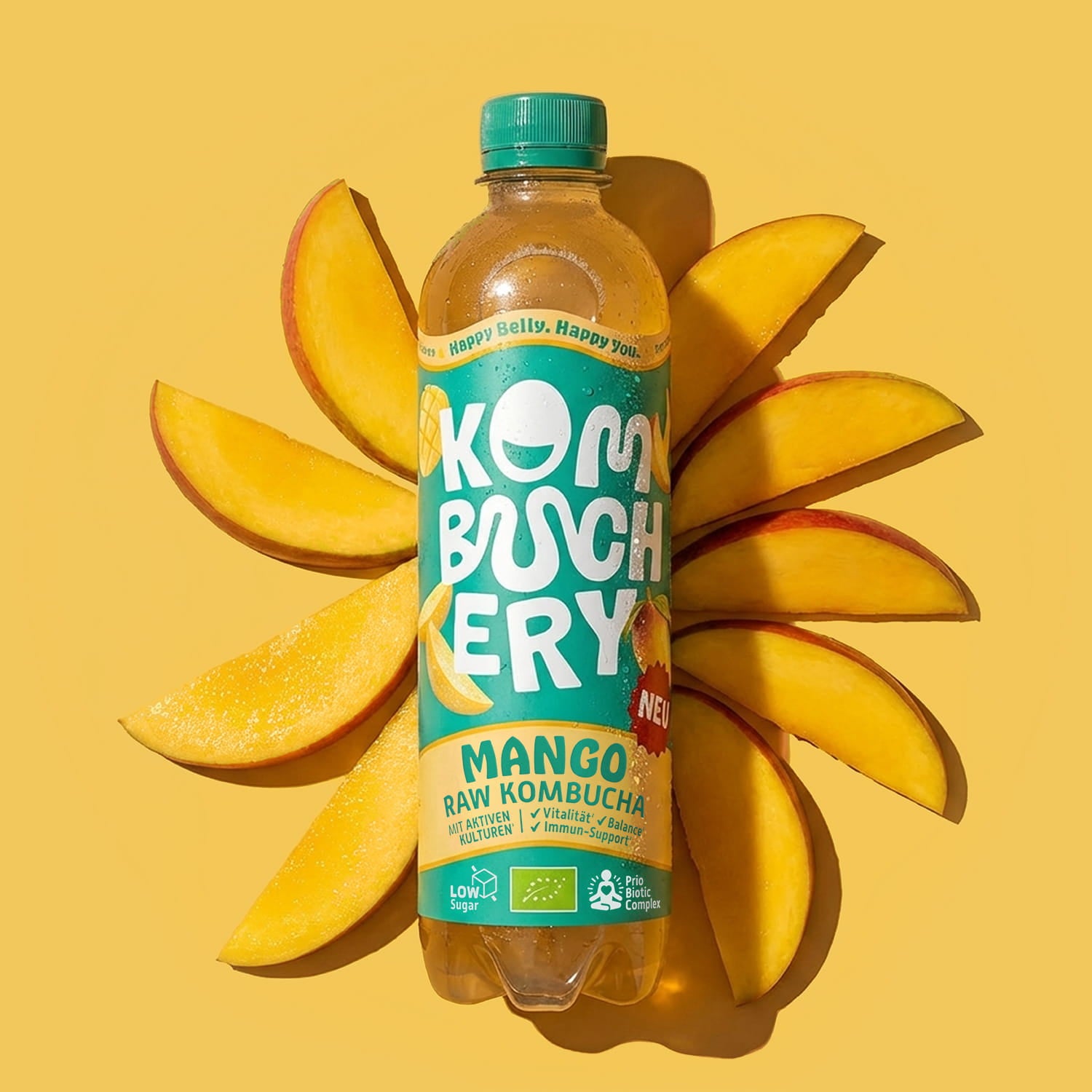
✔️ Depending on the variety, organic juice, organic puree, or other organic ingredients
🚫 No pasteurization, no artificial flavors.
Unpasteurized and bottled with millions of active cultures.
Nutritional values at a glance
Nutritional values of Kombuchery per 100 ml:
- Energy: 39 kJ / 9 kcal
- Fat: 0 g
- Carbohydrates: 2.3 g
- of which sugars: 2.3 g
- Protein: 0 g
- Salt: < 0.01 g
- Vitamin C 6 mg (7.5% NRV)
- Living microorganisms
👉 One bottle of Kombuchery contains 400 ml. How much you drink and how often kombucha is part of your beverage routine is entirely up to you.
Conclusion: Kombucha as part of your daily beverage routine
Kombucha can be easily integrated into your beverage routine. Kombuchery combines natural fermentation, millions of active cultures, and selected organic ingredients with only 2.3 g of sugar and 9 kcal per 100 ml.
Whether you drink it as a daily ritual or as a low-sugar alternative to classic lemonade: Kombucha can be easily integrated into your daily life.
*Kombucha naturally contains theine (caffeine) as it is fermented based on green tea. Individuals with high caffeine sensitivity should adjust their consumption individually.



Share: