



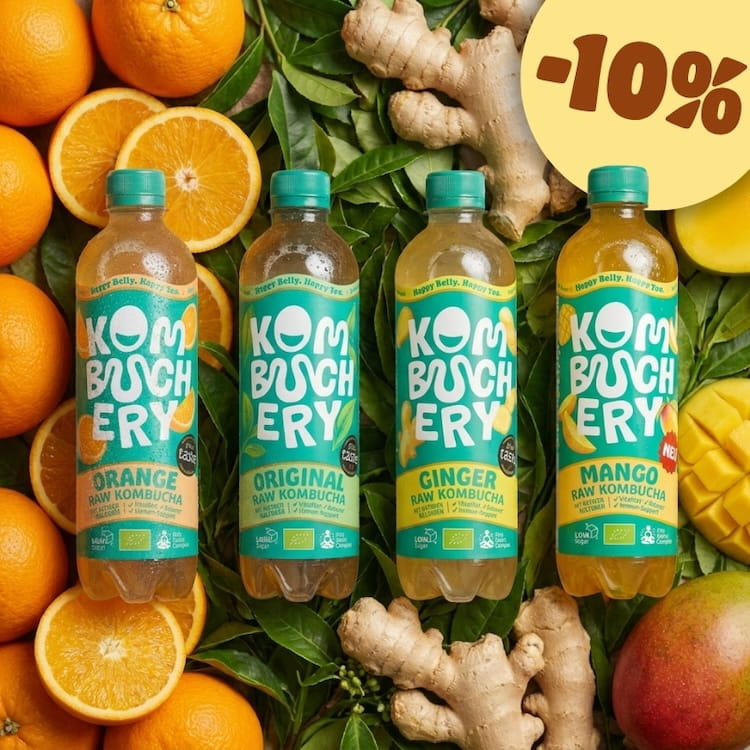
9 Special Characteristics of Kombucha
Not only super refreshing and tasty, but also quite special due to natural fermentation. To give you an idea of what distinguishes kombucha from classic soft drinks and why this fermented tea drink is so special...
Reason 1: Tea as a natural base
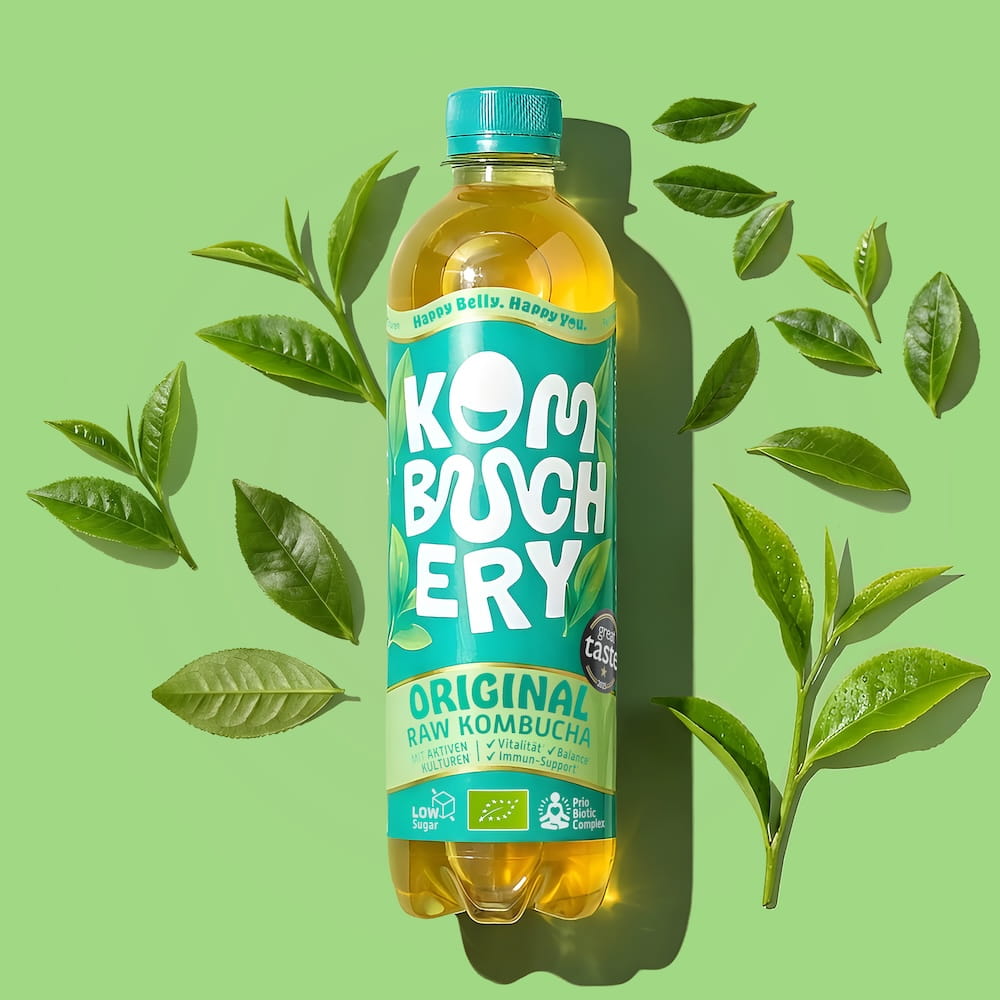
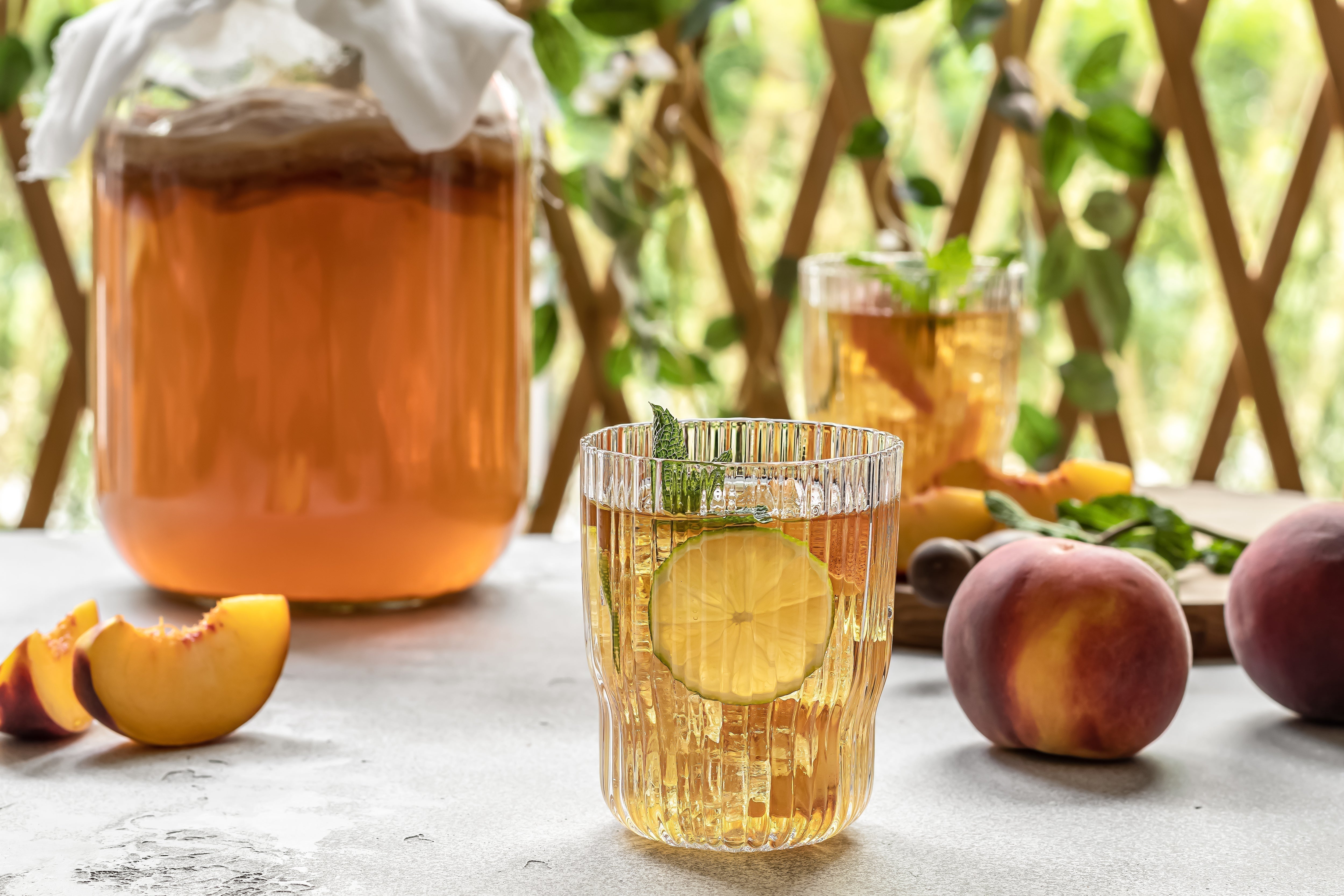
Kombucha is traditionally made from black or green tea. This means the drink brings with it the characteristic aromas and natural plant compounds of the tea used.
Reason 2: Live Cultures
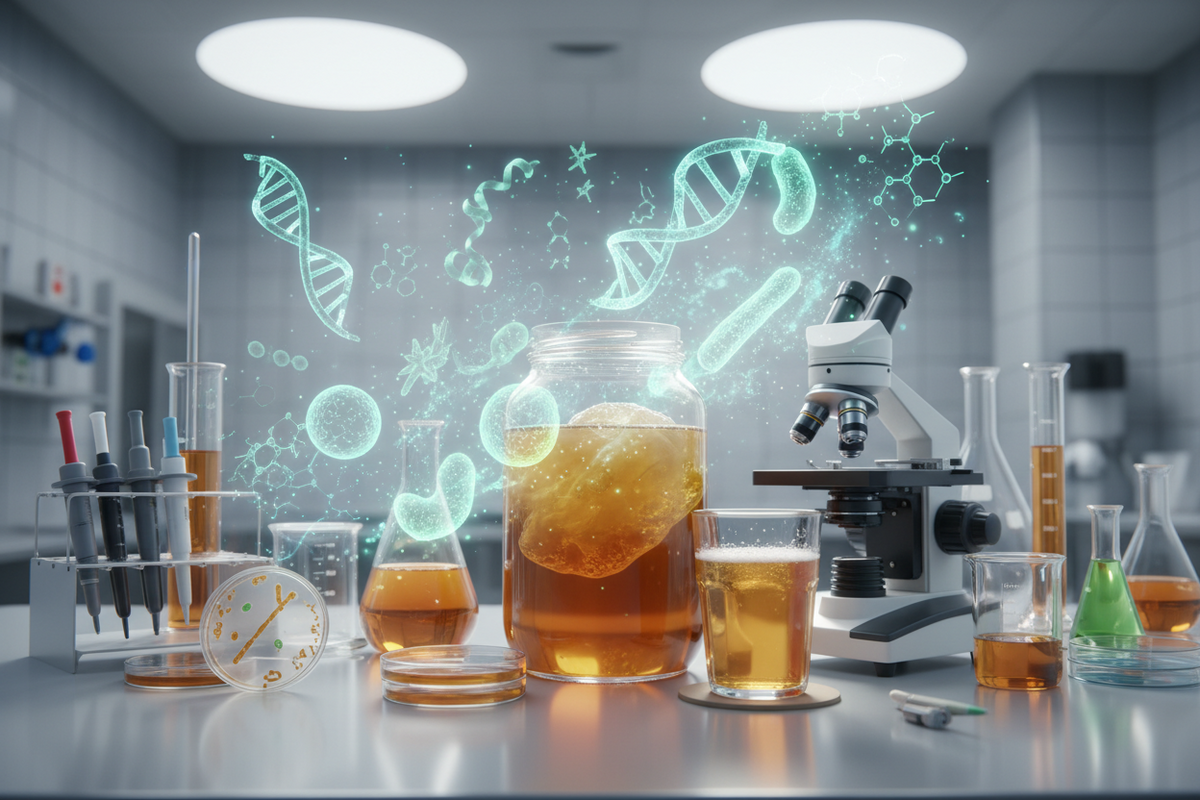
In raw and unpasteurized kombucha, bacteria and yeasts from the fermentation can remain in the finished drink.
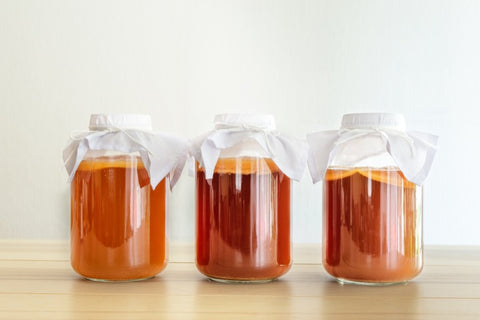
Reason 3: Natural Fermentation
During fermentation, bacteria and yeasts metabolize components of the sweetened tea. This creates the typical sweet and sour kombucha taste.
Reason 4: Organic Acids
During fermentation, various organic acids can form. Acetic acid, which contributes to the sour taste profile, is particularly characteristic.
Reason 5: Less sugar is possible
A portion of the added sugar is metabolized during fermentation. How much residual sugar remains in the finished kombucha depends heavily on the recipe and fermentation time.
Reason 6: Natural Plant Compounds from Tea
Black and green tea naturally contain polyphenols and other plant compounds. Their exact composition depends on the tea variety and processing.
Reason 7: Raw or Pasteurized
Kombucha can be processed differently after fermentation. Raw kombucha remains unpasteurized, which allows live microorganisms to remain in the finished drink.
Reason 8: Many Flavors
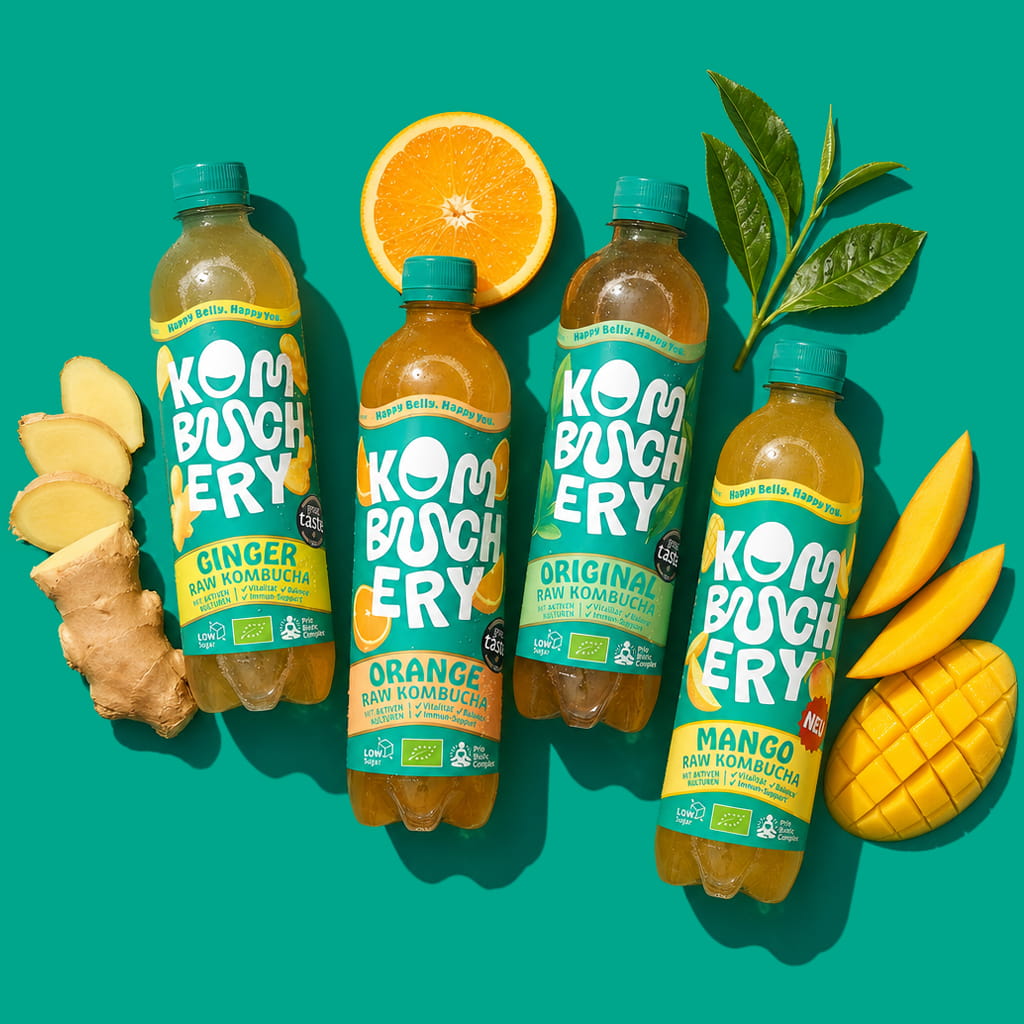
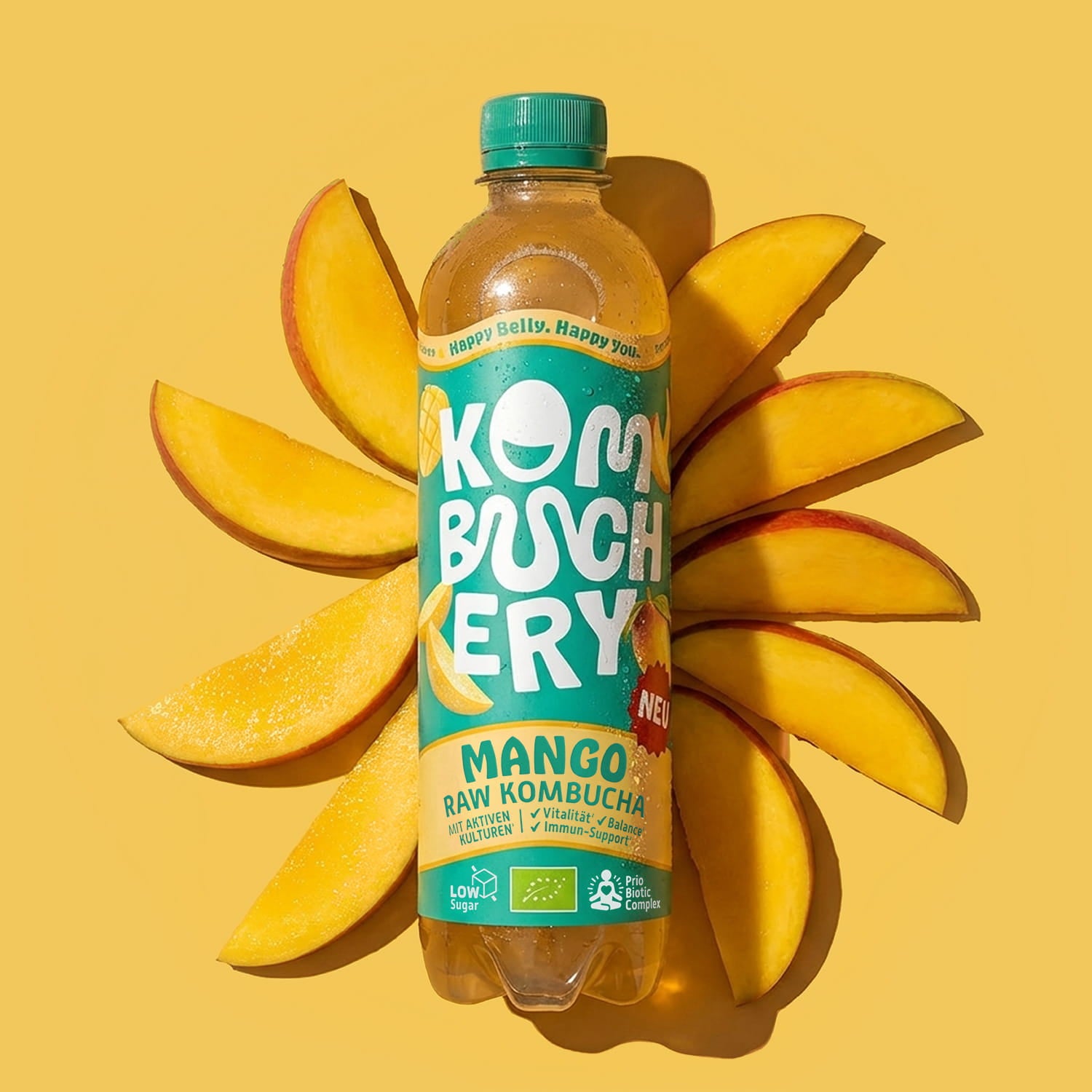
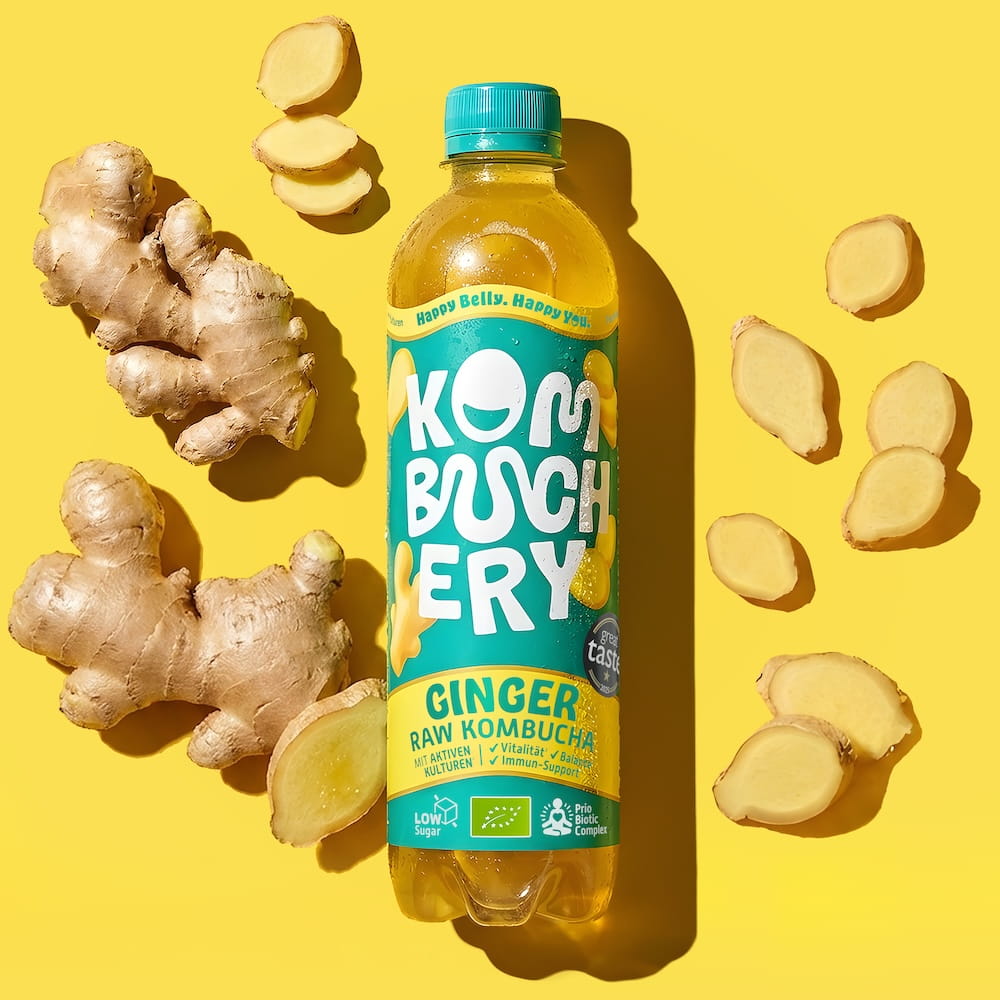
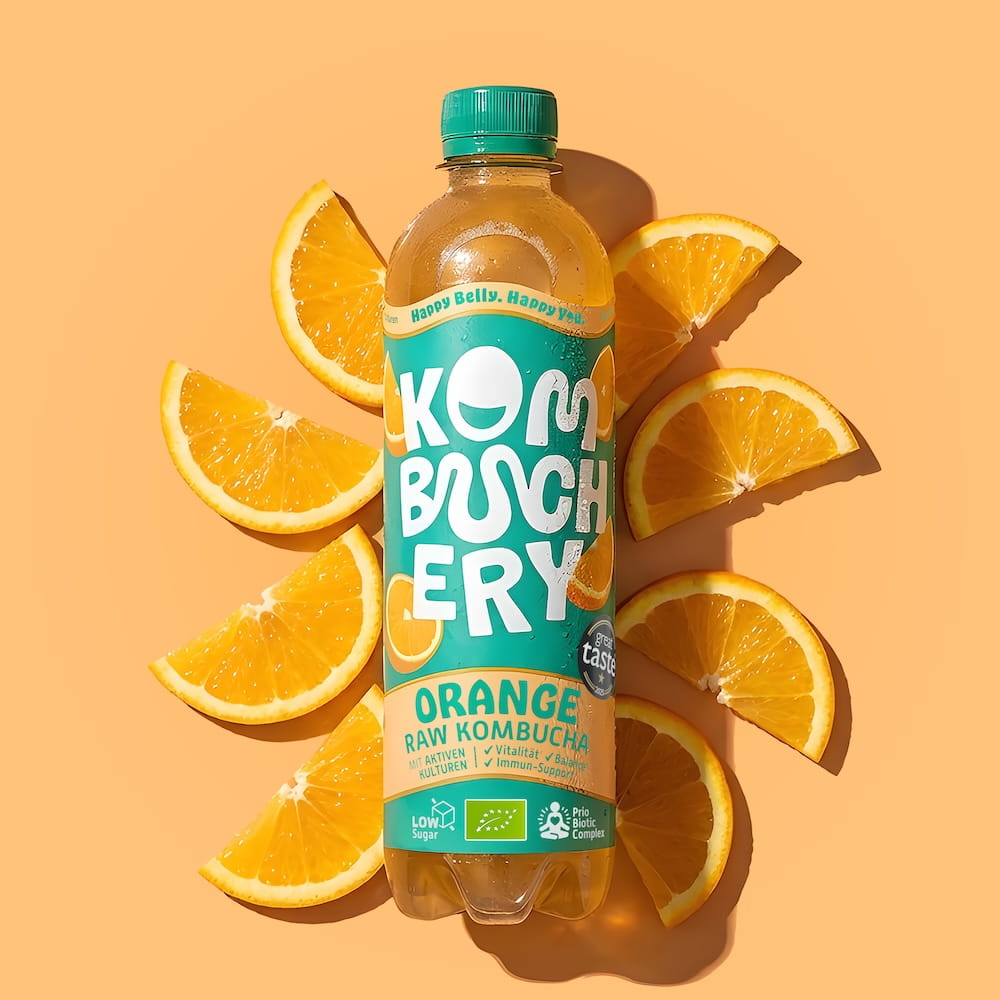
From classic green or black tea to ginger, mango, orange, herbs, and spices, kombucha can be designed to have a wide variety of flavors.
Reason 9: Unique Taste
Slightly sweet, but also a bit sour in taste, and surprisingly sparkling and refreshing. The taste is hard to describe and incomparable to conventional lemonades. Kombucha tastes simultaneously sweet, sour, tart, and sparkling, clearly setting it apart from classic sodas.




Share: